
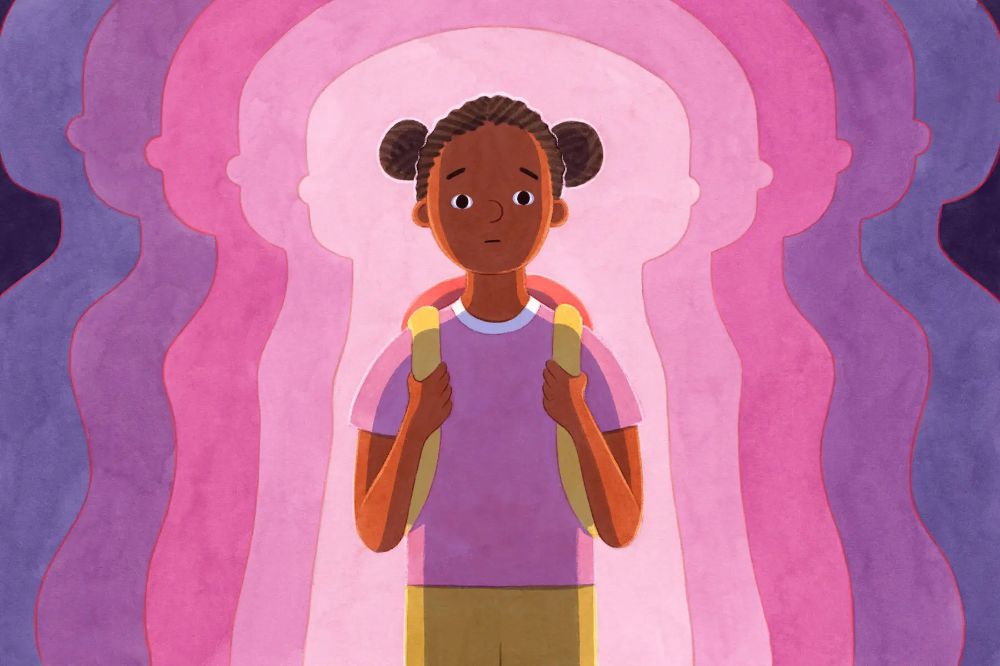
Timing varies, but changes typically occur in the same order
As we learn more about the ways of life as we get older, there is one aspect about ourselves that we cannot avoid: puberty. While this can cause some confusion and maybe even fear, feeling nervous about change is normal! To not be completely blindsided and clueless about the process, Ate is here to guide you.
Depending on your body, some are affected more than others considering the cycle of estrogen and progesterone in their bodies.
The 5 stages of puberty
Even if the timing of puberty is different for everyone, the order of changes is the same!
In girls, this is what the five stages of puberty look like:
Stage 1
Changes are yet to occur since this is merely the prepubescent stage.
Stage 2
Between ages 8 and 13, young girls will commonly experience:
- Start of breast budding, and areola (the pigmented area around the nipple) begins to get bigger
- Small amount of genital hair
- Growth spurt of about 2 3/4 inches per year
Stage 3
As girls move through this stage, typically between ages 9 and 14:
- Breasts continue to bud
- Hair on pubic area/underarm starts to show;genital hair becomes coarser and darker in color as it covers more of your private parts
- Growth spurt of more than 3 inches annually
- Skin becomes oilier, causing acne
Stage 4
As girls go through this stage, usually between ages 10 and 15:
- Breasts enlarge further, and nipples start to protrude
- Body hair grows thicker
- Continue growing taller (about 2 3/4 inches each year)
- Acne persists
- Beginning of menstruation or period
*Period usually starts at the age of 12, but in the circumstance that you lack body fat or experience disordered eating, it may start later.
Stage 5
The fifth stage typically marks the end of development as the body has most likely reached physical maturity. Peak high is usually attained by age 16.
What age does puberty end?
Each girl is different! Puberty typically ends after two to five years after it starts, but some studies have shown that those who start puberty earlier take a longer time to reach maturity.
What is delayed puberty?
In some cases, you may be a late bloomer, which means your puberty started late! This is completely normal, however it’s best to stay alert about any hormonal or glandular problems. If your doctor suspects an underlying problem, they may refer you to a specialist for testing.
Early puberty
On the flip side, some girls experience what’s known as precocious (or early) puberty. Signs of this include:
- Showing signs of puberty before your eighth birthday
- Body changes rapidly
- Body changes occur out of order (e.g. get period before developing breasts)
If these happen, talk to your parents and doctor. By doing so, we can learn about what caused it. Common ones include:
The pituitary gland, which starts puberty, may have begun sending out hormones too early. You might have come into contact with estrogen, like from an estrogen cream.
A tumor could be present on the adrenal gland or another part of the body.
If something seems out of sorts with your body and it seems like you’re not experiencing puberty in the expected way, don’t be afraid to tell your parents and doctor about it! It’s best that they’re able to know and monitor your progress early on so they can refer you to certain specialists if needed. Remember, you are not alone in going through puberty!